SWIFT AND EASY DRIVING SCHOOL, MACQUARIE FIELDS NSW 2564 CALL 0403 265 915
SWIFT AND EASY DRIVING SCHOOL, MACQUARIE FIELDS NSW 2564 CALL 0403 265 915
Most learners will tell you that parking is the most nerve-wracking thing they have to learn. Although it can be pretty stressful trying to fit into a tight space on a busy road with cars waiting behind, it’s actually a skill that can be learned. Once you know how to do it and practice regularly it’ll become second nature. Parking is also a key element of the NSW driving test.
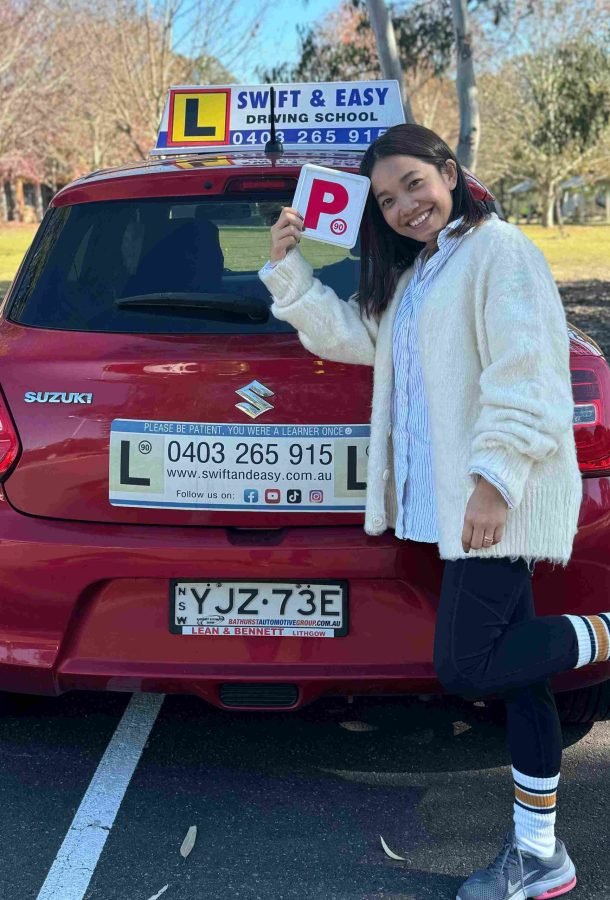
Parking demonstrates to the examiner that you are capable of controlling your car at low speeds, judging distances and keeping an eye out for pedestrians and other vehicles. Doing it correctly gives you extra confidence when driving in real life situations such as car parks in shopping centres and tight roads in suburbs.
If you’re new to Parallel Parking for Beginners it down into simple steps will make it easier to learn:
Beyond the basic steps, these Parallel Parking Tips will make a real difference:
Many instructors will encourage you to reverse into a bay as you’ll have a better view when pulling out. Reverse parking can be a bit clunky but following this process will help:
Keep these Reverse Parking Tips in mind every time you practise:
Learners will commonly make the same mistakes and lose marks. This includes not looking in your blind spots, going too fast in reverse, knocking/ hitting the kerb and parking too far away from the kerb. Another common mistake is not giving way to pedestrians/vehicles coming. Most of these issues can be fixed by going more slowly and keeping an eye out.
Although practicing with a parent/supervisor can be helpful, having structured lessons with a qualified instructor will greatly increase your progress. They’ll be able to pick up on any bad habits you have early on. You’ll also learn consistent reference points and lots of guided practice will mean all of your manoeuvres will become second nature. Plus each hour you spend with your instructor counts as 3 logbook hours (up to 10 hours).
At Swift and Easy we have patient instructors who can help you learn how to parallel and reverse park at your own pace. Book your lesson now to turn your most difficult manoeuvre into your best skill!

